When I first learned about sea sheep, I honestly thought it was a joke. I mean, who names an animal a sea sheep? It sounded like something from a children’s fantasy book, not something that actually exists in our oceans. But let me tell you, after diving into the research and understanding what makes these creatures so special, I’m genuinely fascinated. These little animals represent one of nature’s most mind-bending biological achievements. They’re not actually sheep at all, but tiny marine slugs that have evolved an ability so unusual that it challenges everything we thought we knew about animal biology.
The creature we call a sea sheep goes by the scientific name Elysia chlorotica, though there are several species within the Elysia genus that share similar characteristics. These animals are nudibranchs, which is a fancy term for sea slugs. I remember thinking that sea slugs were just gross, slimy creatures that nobody really cares about. But sea sheep? They’re something entirely different. They’re beautiful in their own alien way, and they possess a biological superpower that makes them one of the most interesting animals on Earth.
What Exactly is a Sea Sheep?
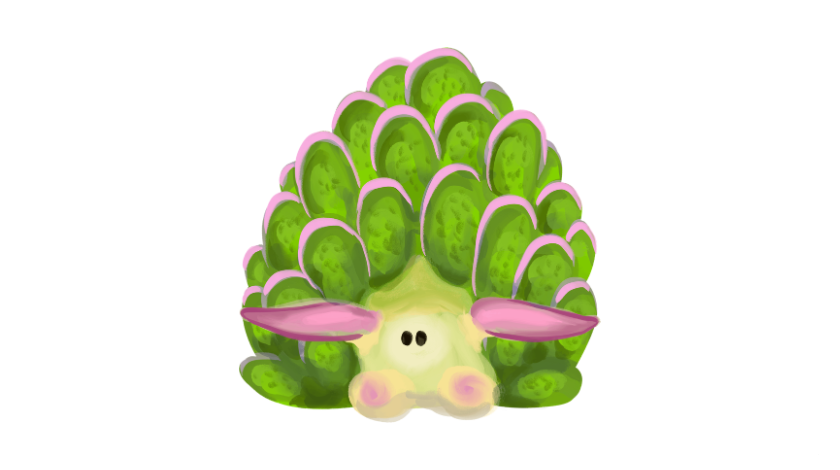
Let me be completely honest with you. If you saw a sea sheep, you might not even recognize it as an animal at first. These creatures are incredibly small, usually measuring between 5 to 20 millimeters in length. That’s roughly the size of a grain of rice or a small bean. Most people would probably overlook them entirely while walking along a beach. The first time I saw a picture of one, I was struck by how adorable it looked. It has a rounded, pudgy body that genuinely resembles a tiny sheep or caterpillar, which is why they got that charming name.
The body of a sea sheep is smooth and soft, lacking any hard shell or protective exterior. This might seem like a disadvantage, but as we’ll discover, this creature has evolved other ways to protect itself. The animal’s coloring is typically bright green, though some species display different hues. This green coloring isn’t just for show. It actually comes from something incredibly remarkable that we’ll explore in detail.
Sea sheep belong to a group of nudibranchs called Sacoglossans. Within this group, they’re distinguished by their unique body plan and their specialized feeding habits. They’re found in oceans around the world, though different species prefer different climates and depths. What’s most interesting about sea sheep is that they’ve remained relatively unknown to the general public, despite being one of nature’s most unusual creatures. Scientists have been studying them for decades, and each new discovery adds another layer to the mystery of how these animals came to be.
The Incredible Photosynthesis Ability
Now, this is where things get absolutely wild. Sea sheep can photosynthesize. Yes, you read that correctly. These animals can literally create their own food using sunlight, something that you’d normally associate with plants and algae, not animals. I remember reading this for the first time and genuinely doubting whether it was true. But it is, and it’s even more amazing than it sounds.
Here’s how it works. The sea sheep feeds on algae, specifically green algae. But instead of just digesting the algae normally, something extraordinary happens. The sea sheep extracts the chloroplasts from the algae and incorporates them into its own cells. These chloroplasts are the structures within plant cells that perform photosynthesis. The sea sheep manages to keep these chloroplasts alive and functional, incorporating them into its own tissue. Scientists call this process kleptoplasty, which literally means stealing plastids.
The implications of this are enormous. Once the sea sheep has incorporated these chloroplasts, it can produce its own food through photosynthesis. It becomes, in essence, part plant and part animal. This means a sea sheep can survive for months without eating anything as long as it has access to sunlight. Some scientists have observed sea sheep living in laboratory conditions for up to nine months on sunlight alone. That’s absolutely incredible when you think about it.
From a scientific perspective, this challenges our basic understanding of what defines an animal versus a plant. It blurs the lines in ways that fascinate biologists and raise questions about evolution and adaptation. How did this ability evolve? What genetic changes would have been necessary? These are questions that researchers are still trying to answer. The sea sheep essentially hacks its own biology to incorporate a feature from another organism. It’s like taking a solar panel and installing it on your body so you never need to eat again.
Habitat and Geographic Distribution
Sea sheep are found in ocean environments across the globe, though they seem to have a preference for temperate and subtropical waters. I find it interesting that despite being such a remarkable creature, they’re not limited to exotic locations. They can be found in relatively accessible waters if you know where to look and what you’re looking for.
Different species of sea sheep occupy different habitats. Some prefer shallow coastal waters where sunlight easily penetrates to the sea floor. Others are found in slightly deeper areas. The key requirement for all sea sheep is access to sunlight and the algae they feed on. This is why you’ll rarely find sea sheep in deep, dark ocean trenches or murky harbor waters. They need clear water with adequate light for their photosynthesis to work effectively.
The green sea slug, which is perhaps the most well-known sea sheep species, is found along the Atlantic and Gulf coasts of North America. However, related species exist in other parts of the world, including European waters and Pacific regions. Climate change and ocean acidification pose threats to these habitats, which is something we’ll discuss later.
When I think about sea sheep in their natural environment, I imagine them clinging to seagrass or algae-covered rocks in shallow tide pools. They’re probably moving slowly across the substrate, feeding on the algae that will eventually power their bodies through photosynthesis. It’s a peaceful existence, one that requires very little activity once they’ve established themselves in a suitable location.
Feeding Habits and Diet
The diet of a sea sheep is remarkably specific. They feed almost exclusively on certain species of green algae. They’re not scavengers or predators, which might surprise people who imagine what a creature with the word slug in its classification might eat. Instead, they’re specialized herbivores with very particular tastes.
What makes their feeding behavior even more interesting is the way they’ve adapted to extract maximum benefit from their food. As I mentioned, they don’t just eat the algae and digest it normally. Instead, they use a specialized feeding structure to pierce the algal cells and extract the chloroplasts. The way they do this involves a unique radula, which is a ribbon-like structure with small teeth that many mollusks possess. The sea sheep uses this structure to puncture algal cells and suck out the chloroplasts.
The process is so efficient that scientists believe the sea sheep can absorb chloroplasts into the cells lining its digestive system. These chloroplasts then become integrated into the sea sheep’s own cells. This means the animal is literally stealing the solar-powered organelles from the algae and making them its own. It’s one of nature’s most creative solutions to the problem of survival in a sunlit environment.
I find the specialization of this diet particularly interesting because it limits where sea sheep can survive. They need access to specific algae species. If those algae disappear from an area, the sea sheep population would struggle to survive, even if other algae species are available. This makes them dependent on a very specific ecosystem balance.
Reproduction and Life Cycle
The reproductive process of sea sheep is fascinating because these animals are hermaphrodites. This means each individual possesses both male and female reproductive organs. Despite this, they don’t typically self-fertilize. Instead, they find a mating partner and exchange sperm with each other. It’s a system that seems overcomplicated at first, but it has advantages that we’re still working to fully understand.
When sea sheep mate, they lay eggs in distinctive spiral patterns or ribbons. These eggs are laid on algae or rocks in shallow water. The eggs are tiny and often invisible to the human eye without magnification. After a certain period of time, which varies depending on temperature and species, the eggs hatch into larvae. These larvae look nothing like the adult sea sheep. Instead, they’re planktonic, meaning they float freely in the water column as part of the plankton.
This larval stage is crucial for dispersal. The larvae can drift on ocean currents to new locations, allowing the species to colonize new areas. Eventually, through a process called metamorphosis, the larvae settle on the sea floor and transform into their juvenile form. They begin looking more like the adult sea sheep and start feeding on algae.
The entire life cycle can take anywhere from several weeks to several months, depending on environmental conditions. The lifespan of an adult sea sheep in the wild is estimated to be around one to two years, though we don’t have perfect data on this because they’re difficult to observe in natural conditions.
Behavior and Defense Mechanisms
One might wonder how an animal with no hard shell, no tentacles, and no obvious weapons manages to survive in the ocean. The answer lies in multiple ingenious strategies. First, the bright green coloration of many sea sheep species serves as camouflage. Since they live among green algae, their color helps them blend in with their surroundings. Predators can’t eat what they can’t see.
Second, and even more interesting, some species of sea sheep have evolved the ability to incorporate not just chloroplasts but also toxins from the algae they eat. Some algae produce defensive chemicals to protect themselves from being eaten. The sea sheep can consume this algae, digest the algae itself, but keep the toxins intact within its own tissues. This means the sea sheep becomes toxic to potential predators. It’s essentially stealing the defense mechanism of the algae for its own protection.
The behavior of sea sheep is generally slow and methodical. They move across algae-covered surfaces grazing like terrestrial herbivores. They don’t appear to be social animals, and encounters between individuals seem to be rare and usually related to reproduction. Most of the time, they’re solitary creatures focused on feeding and surviving.
I find their behavior particularly interesting because despite being so small and seemingly defenseless, they’ve managed to create a niche for themselves in marine ecosystems. They’ve evolved solutions to problems that larger animals solve through size, strength, or complexity. For a creature less than an inch long, that’s remarkable.
Types of Sea Sheep Species
While Elysia chlorotica is the most famous sea sheep species, there are actually dozens of species within the Elysia genus. Each has its own characteristics and preferences. Some are larger than others. Some have different color patterns. Some prefer different types of algae and different water temperatures.
Elysia chlorotica, which I mentioned earlier, is found in the Atlantic and Gulf coasts of North America. It’s one of the most studied species because it’s relatively accessible to researchers in the United States. It typically displays a bright green color and can reach up to 20 millimeters in length.
There’s also Elysia timida, a Mediterranean species that tends to be smaller than its Atlantic cousin. This species can display different coloration depending on its diet and the chloroplasts it’s incorporated.
Elysia crispata is another notable species found in the Atlantic. It’s often collected for the aquarium trade because of its attractiveness, though keeping sea sheep in captivity remains challenging.
Each species represents a slightly different evolutionary approach to the same basic survival strategy. They occupy different geographic ranges, prefer different depths, and have adapted to different environmental conditions. Studying these variations helps scientists understand how evolution shapes animal form and function.
Why Scientists Find Them Remarkable
Biologists are fascinated by sea sheep for several compelling reasons. First, they represent a literal blurring of the line between animal and plant. This challenges fundamental definitions in biology. Second, they demonstrate horizontal gene transfer happening in real time. Evidence suggests that some genes from algae have actually been incorporated into the sea sheep genome, allowing them to better utilize the chloroplasts they steal.
Third, sea sheep have inspired research into cellular incorporation and symbiosis. Scientists are studying how organisms can incorporate parts from other organisms and make them function as their own. This has implications for understanding evolution and the origins of complex cells.
Fourth, the existence of photosynthetic animals challenges assumptions we’ve made about metabolism and energy production. It opens up possibilities for how life might exist in other environments or even on other planets.
From a personal perspective, I think what makes sea sheep so remarkable is how they show us that nature is far stranger and more creative than we often give it credit for. We live on a planet where tiny animals have figured out how to steal and weaponize parts of plants. That’s the kind of discovery that should inspire wonder and curiosity.
Conservation Status and Threats
Currently, sea sheep aren’t listed as endangered species, but they do face threats from environmental change. Ocean acidification, which is caused by increased carbon dioxide absorption, affects the organisms that sea sheep depend on. If algae populations decline due to changing ocean chemistry, sea sheep populations would suffer.
Climate change also affects ocean temperatures. Sea sheep are cold-blooded animals, so their metabolism and reproductive success are directly tied to water temperature. Warming oceans could push water temperatures beyond what some species can tolerate.
Pollution and coastal development also threaten sea sheep habitats. When we destroy seagrass beds and algae-covered rocky areas through construction or pollution, we’re removing the habitats that sea sheep need to survive.
There’s also the aquarium trade to consider. Some sea sheep species are collected and sold as pets, though this practice is controversial because sea sheep are difficult to keep alive in captivity. The feeding requirements and care needs are complex, and many captured sea sheep don’t survive.
How to Observe Sea Sheep
If you want to see a sea sheep in the wild, you’ll need to visit appropriate coastal habitats and search carefully. They’re so small that you’ll likely need a magnifying glass. Tide pools in areas with healthy algae growth are good places to look. Early morning or calm days with good visibility are best.
Alternatively, you could participate in citizen science projects that track sea sheep populations. Several research programs invite the public to report sightings and contribute to scientific understanding.
If you’re interested in sea sheep through aquariums or captive observation, be aware that keeping them alive is challenging. They require specific water conditions, appropriate algae food sources, and proper lighting for their photosynthesis to function.
Conclusion
Sea sheep represent one of the most extraordinary examples of biological adaptation on our planet. These tiny creatures have evolved an absolutely ingenious strategy for survival by essentially incorporating parts of plants into their own bodies. The ability to photosynthesize, the use of stolen toxins for defense, and the specialized feeding mechanism all point to millions of years of evolution refining survival strategies.
What I find most valuable about learning about sea sheep is the reminder that our oceans still hold countless mysteries. Even with all our scientific advancement, nature continues to surprise us with creative solutions and unexpected capabilities. Sea sheep might be small and obscure, but they’re proof that wonder and discovery are still available to us. Whether you’re a marine biologist or simply someone curious about the natural world, sea sheep offer endless fascination and inspiration.
Frequently Asked Questions
Q: Are sea sheep real animals?
Yes, sea sheep are absolutely real. Elysia chlorotica and related species exist throughout the world’s oceans. They’re well-documented scientific specimens that have been studied for decades.
Q: How do sea sheep photosynthesize?
Sea sheep extract chloroplasts from the algae they eat and incorporate them into their own cells. These stolen chloroplasts continue to function, allowing the sea sheep to produce energy from sunlight, similar to how plants do.
Q: Can you keep sea sheep as pets?
While some people have attempted to keep them in captivity, sea sheep are difficult pets. They have specific environmental requirements, need appropriate algae food sources, and often don’t survive well in captivity. Most experts recommend observing them in their natural habitat instead.
Q: How long do sea sheep live?
In the wild, sea sheep typically live one to two years. In controlled laboratory conditions, they’ve been observed living up to nine months on sunlight alone without any food.
Q: What eats sea sheep?
Little is known about their natural predators, but their small size and defensive mechanisms including camouflage and incorporated toxins likely protect them from most predators.
Q: How rare are sea sheep?
Sea sheep aren’t rare, but they’re obscure. They’re relatively common in their preferred habitats, but their small size makes them easy to overlook.
Q: Can sea sheep die from lack of sunlight?
Yes, since they rely on photosynthesis for energy, extended periods without sunlight would eventually be fatal. However, they can also feed on algae to survive periods of low light.
Q: What does a sea sheep eat?
Sea sheep feed on specific species of green algae, extracting the chloroplasts and using them for photosynthesis.
Q: Are sea sheep endangered?
Currently, sea sheep aren’t listed as endangered, but they face threats from ocean acidification, temperature change, and habitat destruction.
Q: Why aren’t sea sheep more famous?
Despite being remarkable creatures, sea sheep are obscure because they’re extremely small, difficult to observe in the wild, and primarily of interest to scientific researchers rather than the general public.